Skip to content

PRIVATE JEWELLER LIMITED · London WC2H 9JQ

+44 7290832493

Reference

Four methods, four different life expectancies

The difference between these four is not decorative. Two of them remove metal; two of them treat its surface. In a photograph they look almost identical, and after five years on a hand they do not.

Everything on this page is also enforced in the studio: a method that cannot work on the blank, metal or content you have chosen is greyed out with the reason attached.

Version 2026-08-12 · PRIVATE JEWELLER LIMITED · Governing law: England and Wales

Cut or surface — the only distinction that matters

Hand engraving and machine engraving cut into the metal. Material is removed, leaving a groove with walls. Polishing the piece over the years softens the edges of that groove but cannot remove it without removing a noticeable amount of the piece itself.

Laser and diamond drag work on the surface. The laser alters the top few microns; the diamond stylus burnishes a bright line without lifting a chip. Both are capable of detail the cut methods cannot reach — a fingerprint, a signature, a waveform — and both grow fainter with abrasion. On the outside of a ring worn daily, that is a matter of years, not decades.

We will cut all four. We will not describe any of them as lasting for ever, and where a surface method is a poor fit for the piece you have chosen, the studio says so before you pay rather than afterwards.

The four compared

Comparison of the four engraving methods
MethodFromMin. character heightDepthMetalsAdds to lead time
Hand engraving (cut)+£652 mmDeep — cut into the metal with a graver925 · 9ct · 18ct · Platinum+5–8 working days
Machine engraving (cut)+£251.5 mmMedium — cut into the metal by a rotating cutter925 · 9ct · 18ct · Platinum+2–3 working days
Laser engraving (surface)+£180.8 mmVery shallow — a surface treatment, not a cut925 · 9ct · 18ct · Platinum+1–2 working days
Diamond drag (surface)+£301 mmExtremely shallow — a diamond stylus dragged through the surface925 · 9ct · 18ct+2–3 working days

Surcharges shown are for sterling silver. Gold adds 10–20% and platinum adds 60% to the engraving charge, because the metal is harder and slower to work. Platinum also adds two working days.

Each method in detail

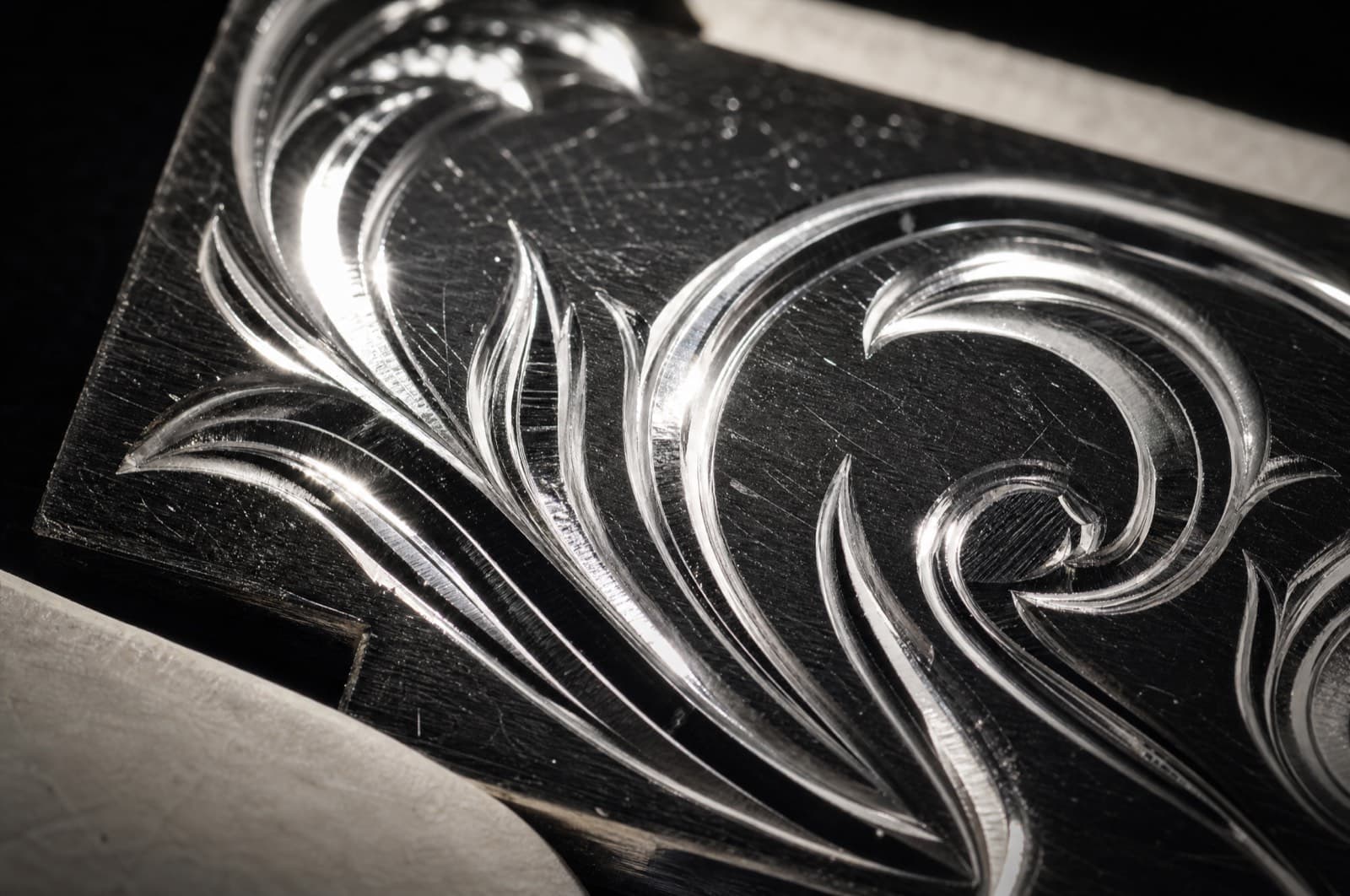
Macro photograph of hand engraving on polished silverCut into the metal

Hand engraving

+£65 · min 2 mm · +5–8 working days

One engraver, one graver, one line at a time. The walls of the cut are faceted, so the letter flashes white as the piece moves. It is the slowest and the dearest of the four, and it is the only one that still reads clearly after a lifetime on a hand.

Durability — Holds the longest of the four. Decades of wear soften the edges but the cut stays legible.
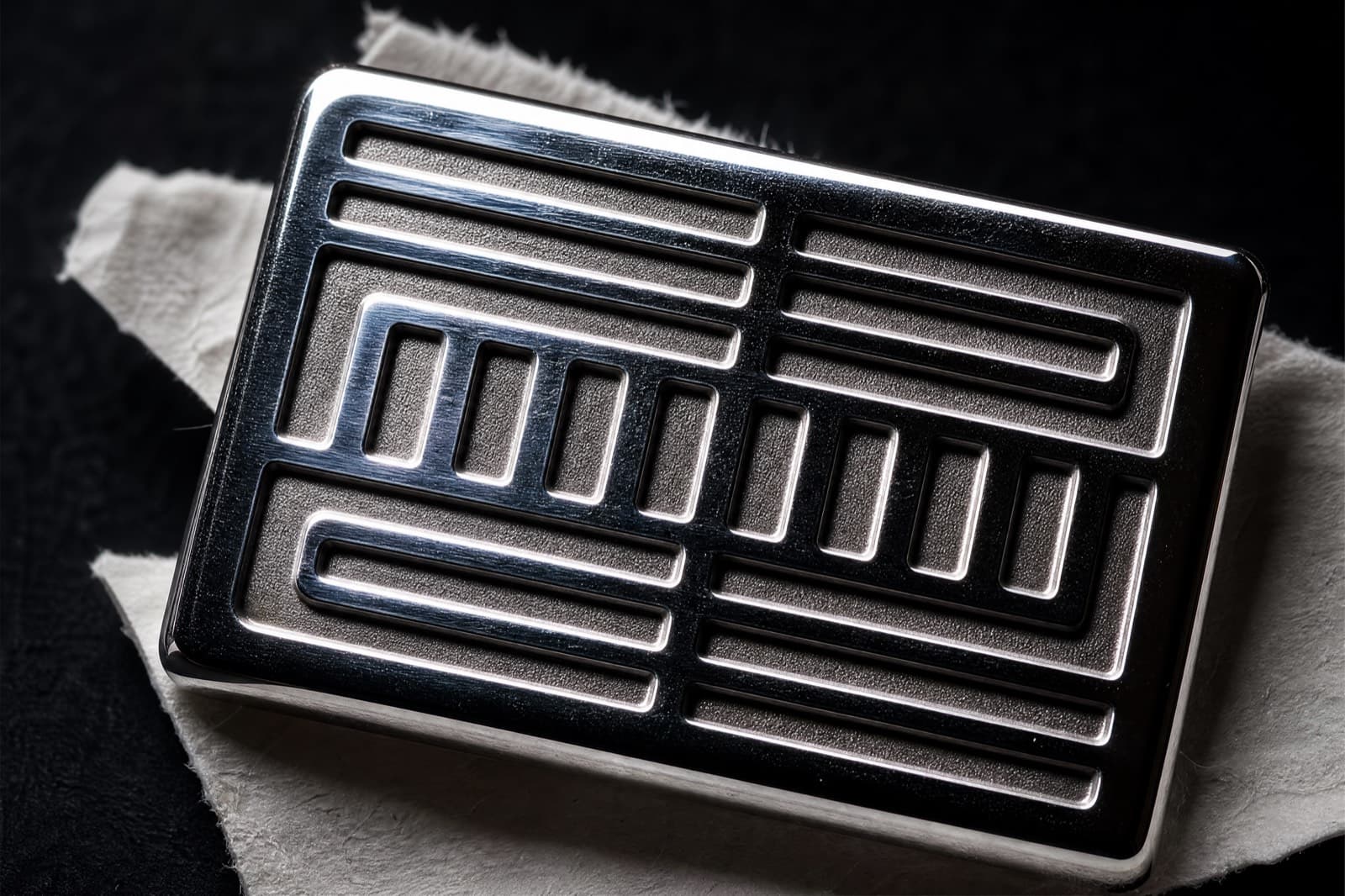
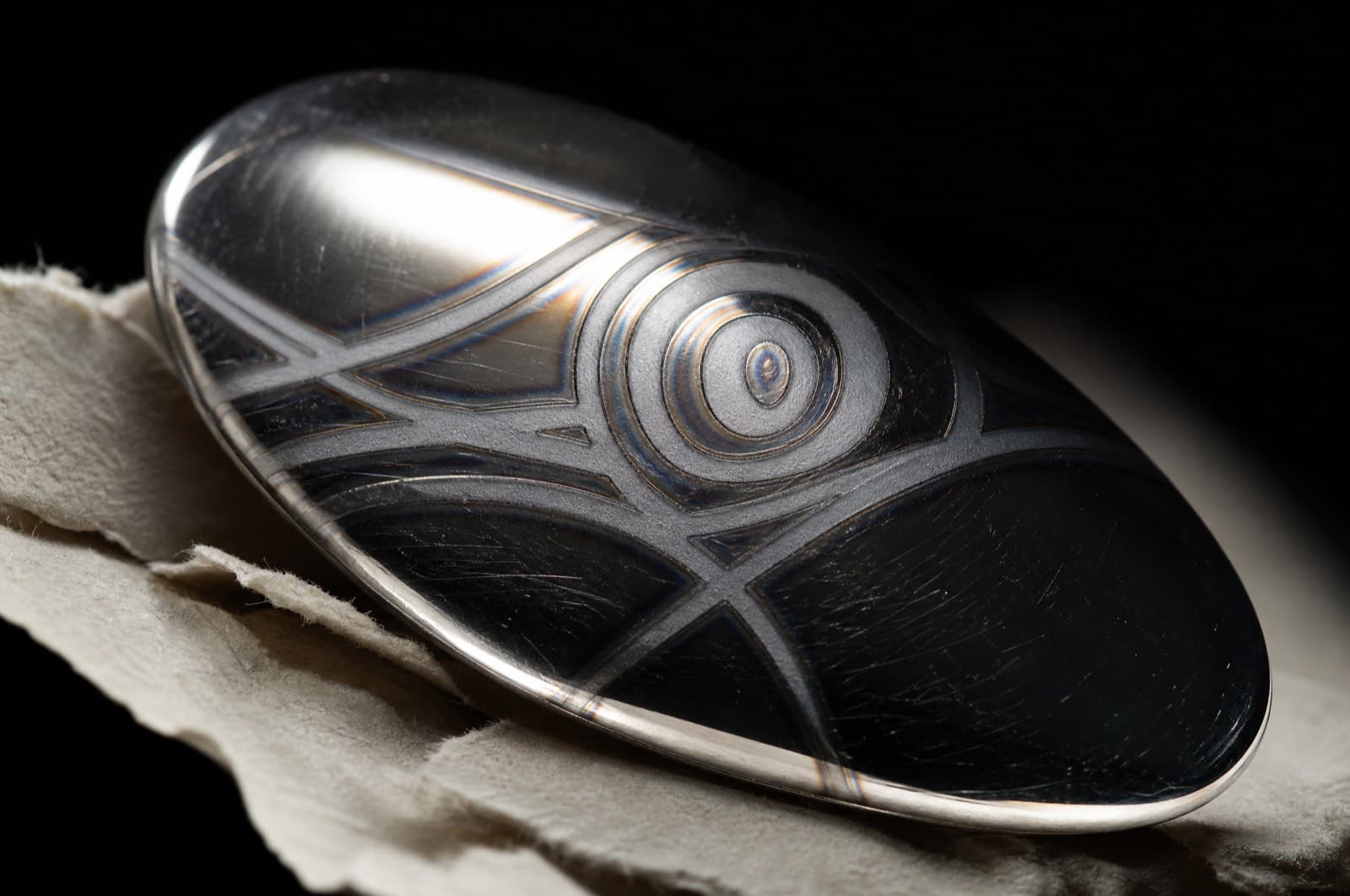
Macro photograph of machine engraving on polished silverCut into the metal

Machine engraving

+£25 · min 1.5 mm · +2–3 working days

A cutter follows a path we set from your text. Every character is the same depth and the same weight, which is exactly why it suits dates, coordinates and long inscriptions. It is the sensible default for most inside-the-ring work.

Durability — Long-lasting. Even depth across every character, with a slightly frosted floor to the groove.

Macro photograph of laser engraving on polished silverSurface treatment

Laser engraving

+£18 · min 0.8 mm · +1–2 working days

The laser changes the surface of the metal instead of removing much of it. That is why it can hold characters as small as 0.8 mm and reproduce handwriting and fingerprint detail the other methods cannot. It is also why it is the least durable of the four.

Durability — A surface mark. On an outer ring face in daily wear it will gradually fade and can polish away.

Surface treatment. Long wear — especially on the outside of a ring — will gradually make it fainter. We do not describe it as lasting for ever.

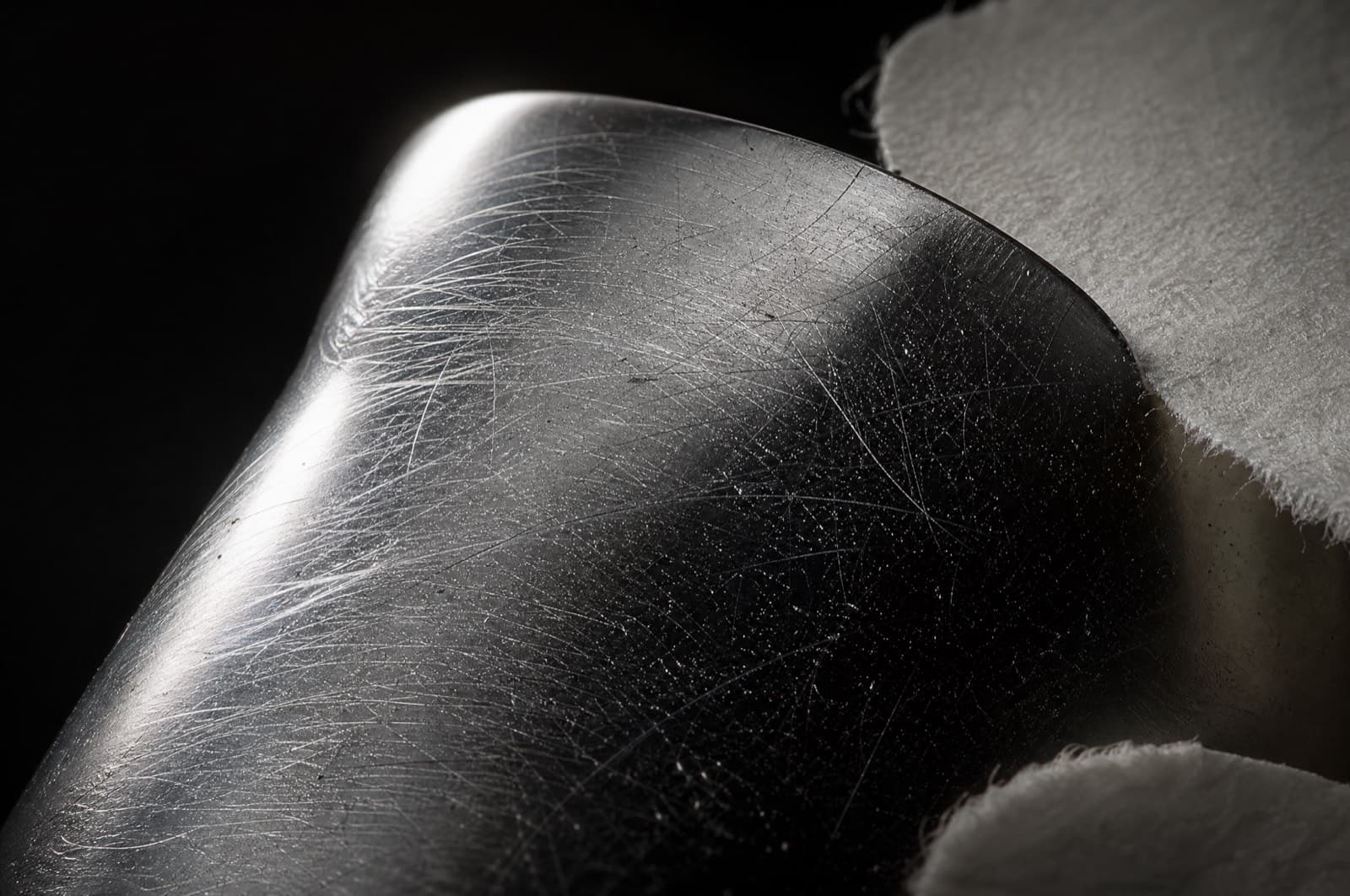
Macro photograph of diamond drag on polished silverSurface treatment

Diamond drag

+£30 · min 1 mm · +2–3 working days

A diamond point is drawn across the metal, burnishing a bright hairline rather than lifting a chip. It gives the closest thing we have to pen-and-ink on silver, and it suits flowing signatures on flat faces that are not rubbed daily.

Durability — Fine and bright, but the least resistant to abrasion of the four.

Surface treatment with almost no depth. It wears faster than the cut methods and is not suited to outer ring faces.

What wear actually looks like

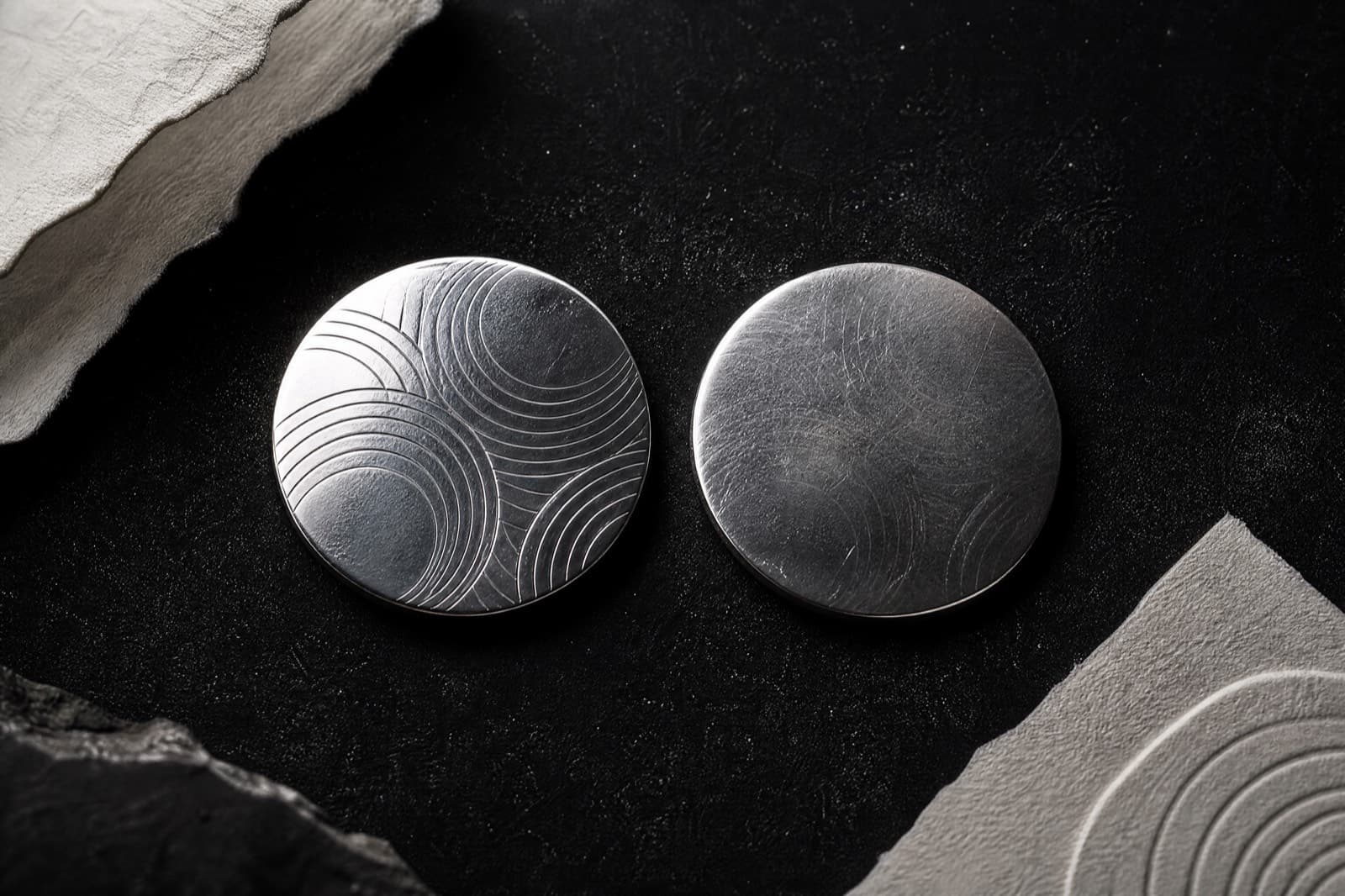
Two silver discs cut with the same pattern; the right-hand disc is worn and the pattern has almost gone

Both discs above were marked with the same pattern. The one on the right has been worn. This is what we mean when we say a surface method fades: not a sudden failure, but a slow loss of contrast until the mark is only visible at an angle.

Three things accelerate it: an outer surface rather than an inner one, contact with keys, coins and stone, and repeated professional polishing. Three things slow it down: an inner wall, a piece worn on cloth such as a cufflink or tie bar, and simply choosing a cut method in the first place.

Character heights, and why the limit moves

Every method has a smallest character height it can hold cleanly. Below that figure the strokes close up and the letter fills in, so we do not offer it.

  • Hand engraving2 mm and above.
  • Machine engraving1.5 mm and above.
  • Laser engraving0.8 mm and above.
  • Diamond drag1 mm and above.

The number of characters you can fit is then arithmetic: usable width divided by the width of a character at that height, multiplied by the number of lines the usable height allows. Choose a taller character and you get fewer of them. The studio recalculates this as you type and stops you going over, which is the whole point of doing it before the bench does.

Script letterforms need at least 2 mm regardless of method — joined strokes at 1 mm become a line rather than a word.

How to choose, in one paragraph

If it is going inside a ring and you want it to outlast you, choose hand or machine engraving. If it is a date, a set of coordinates or a long inscription, machine engraving is the sensible default. If it is a fingerprint, a signature or a waveform, laser is the only method with the resolution to hold it, and you should accept that it is a surface mark. If it is a flowing signature on a flat face that does not get rubbed, diamond drag gives the finest line of the four.

Open the studio and the compatible methods for your blank, metal and content are the ones you can click.